
Canadian Firearms Safety Course (PAL)
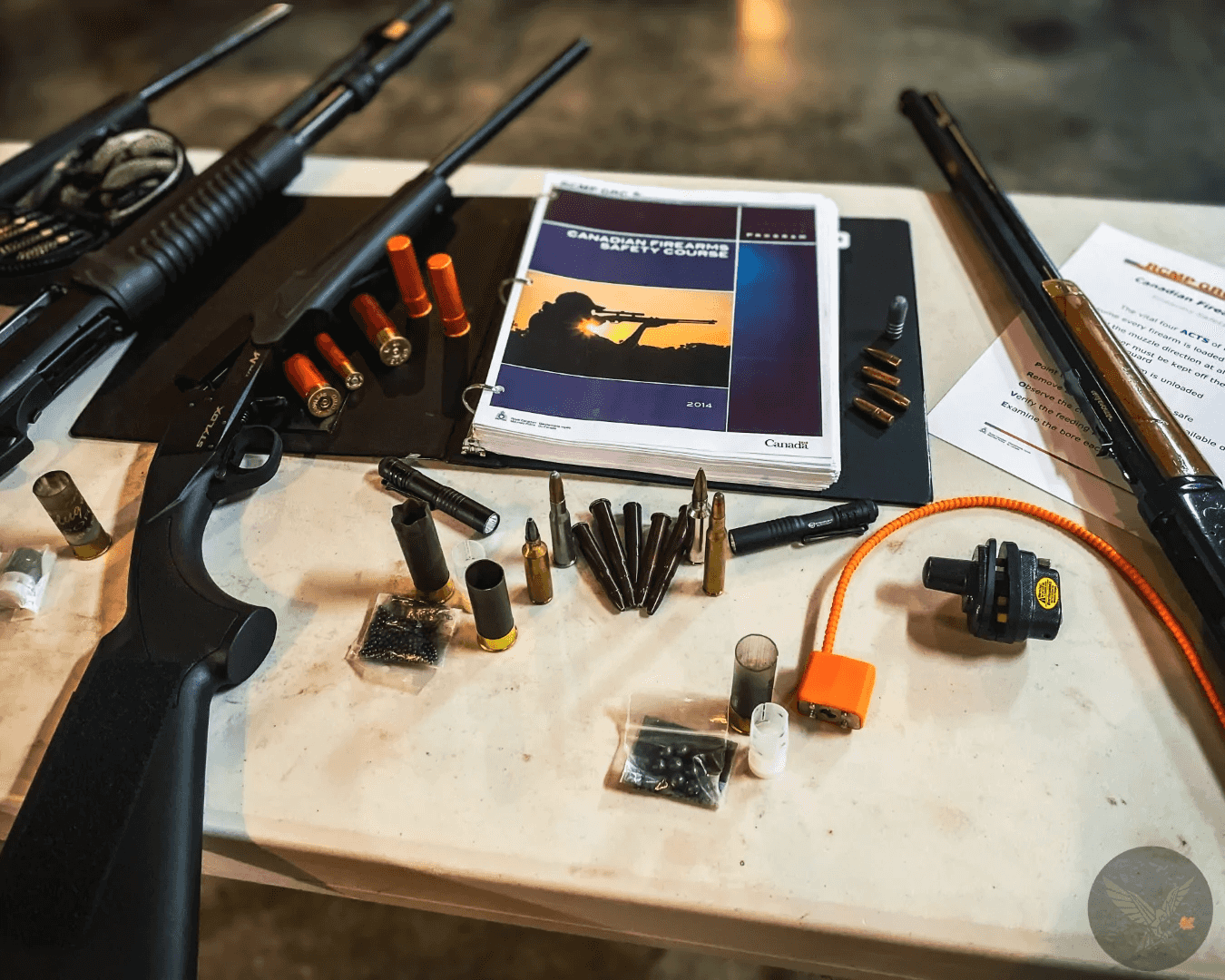
The one-day course you need before applying for a non-restricted firearms licence.
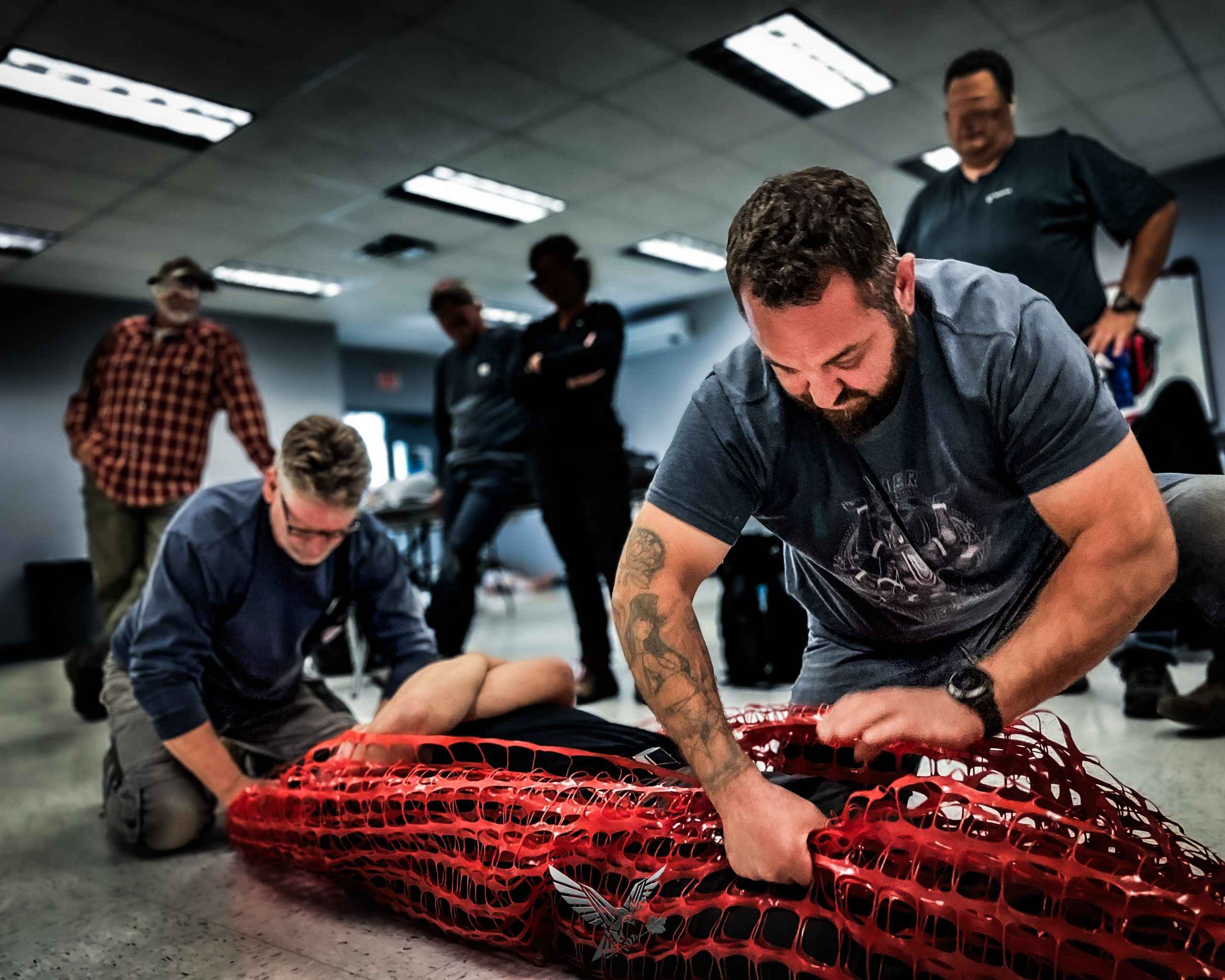
Learn to stop severe bleeding, open an airway and keep a trauma casualty alive until paramedics take over. One hands-on day, taught to current TECC guidelines.
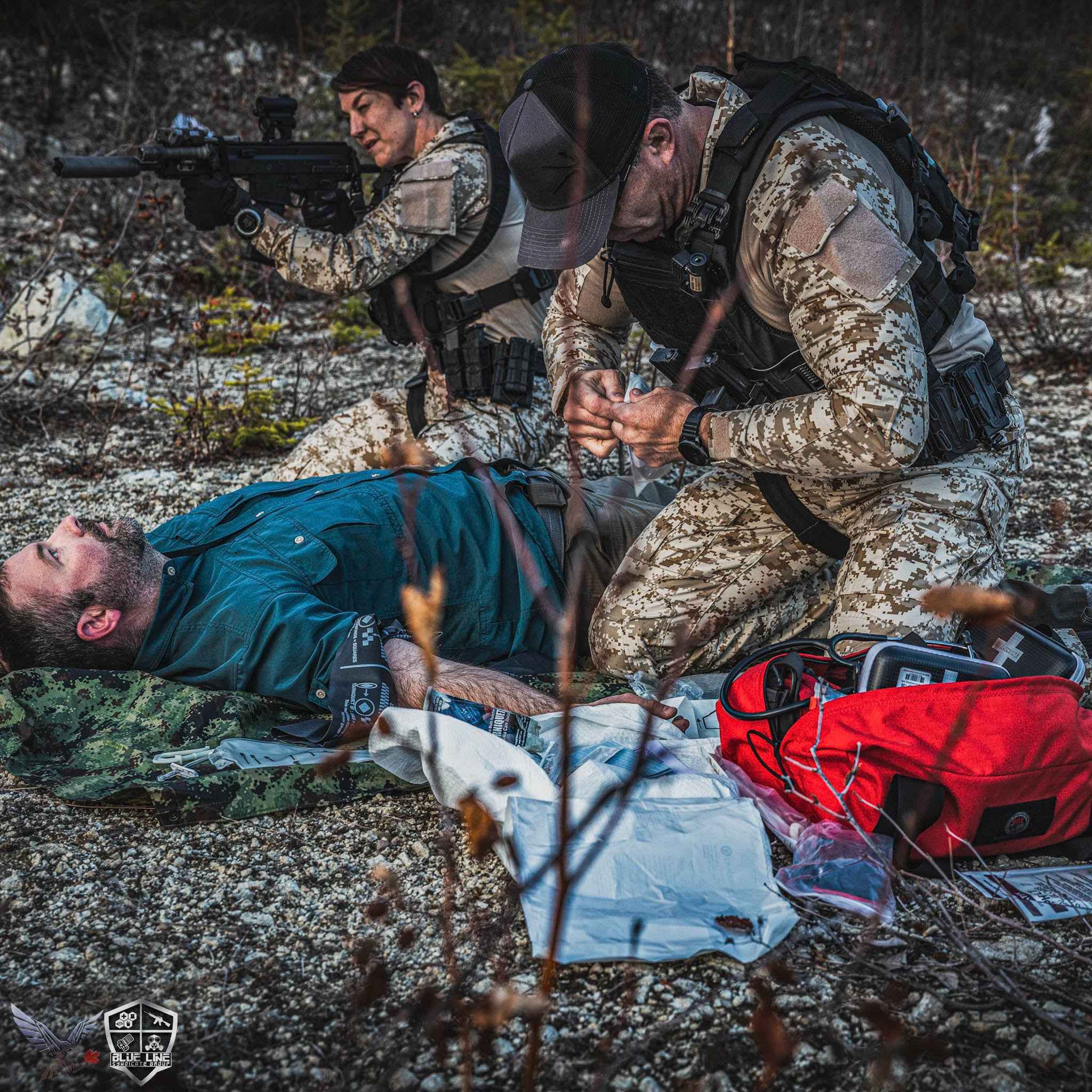
Standard first aid covers a little of everything. This course concentrates on the injuries that kill fastest: massive bleeding, a blocked airway and chest wounds. It follows the MARCHE sequence and current Committee on Tactical Emergency Casualty Care (C-TECC) guidelines.
The material draws on Tactical Combat Casualty Care (TCCC), Tactical Emergency Casualty Care (TECC) and the US Army Combat Lifesaver Course, and is informed by civilian paramedics and emergency medical responders in urban and remote settings. It has been vetted by professional medical personnel, and Iridium Solutions Inc. is a registered educational partner of C-TECC.
The same skills work on a highway crash and on a gunshot wound. You also learn when to call 911 and what to tell the dispatcher so the right help arrives.
How to judge blood loss and stop bleeding fast, and when and how to call emergency services.
How trauma care and standard first aid fit together, and how to size up a scene and protect yourself before you help.
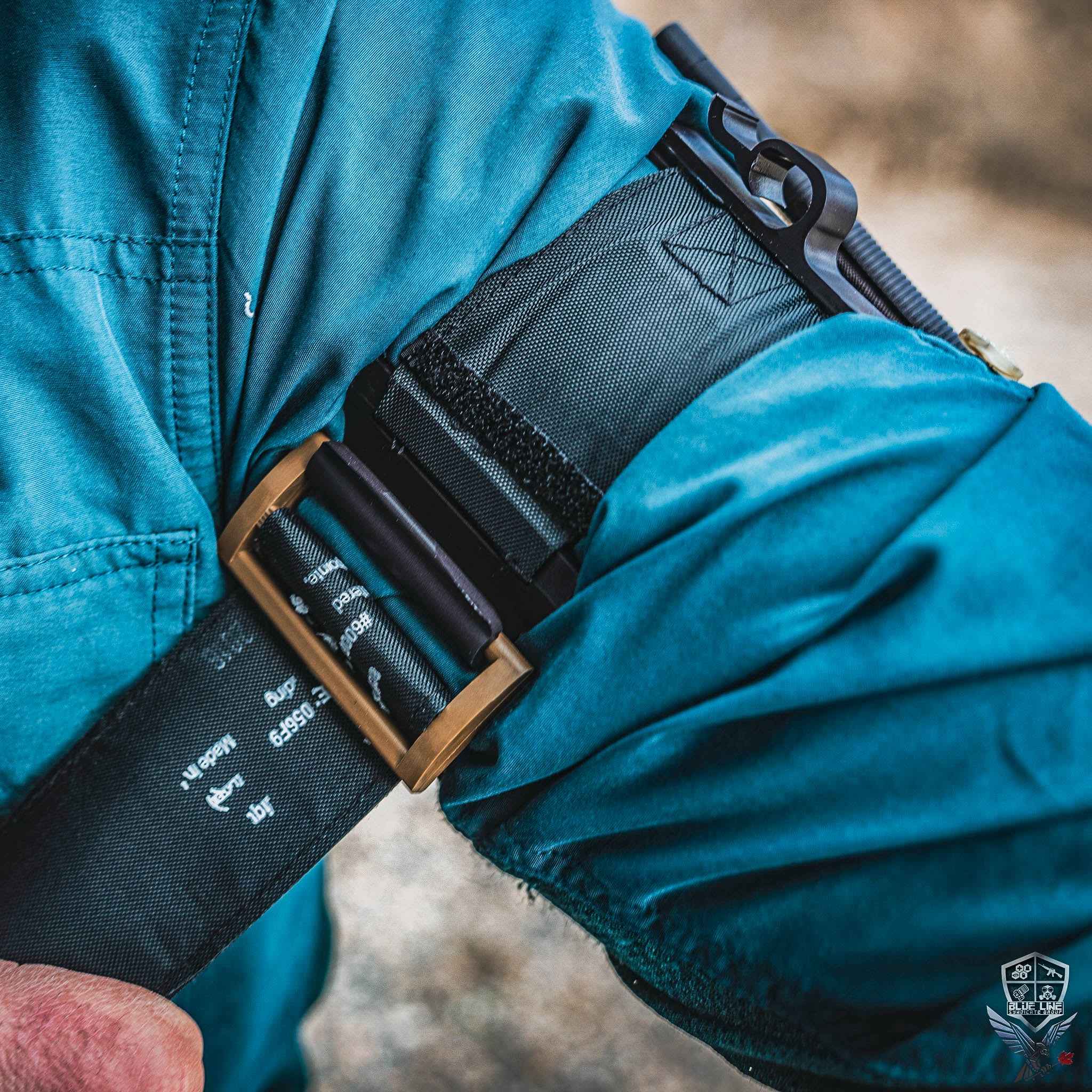
Spot and stop major bleeding with tourniquets, pressure dressings and wound packing.
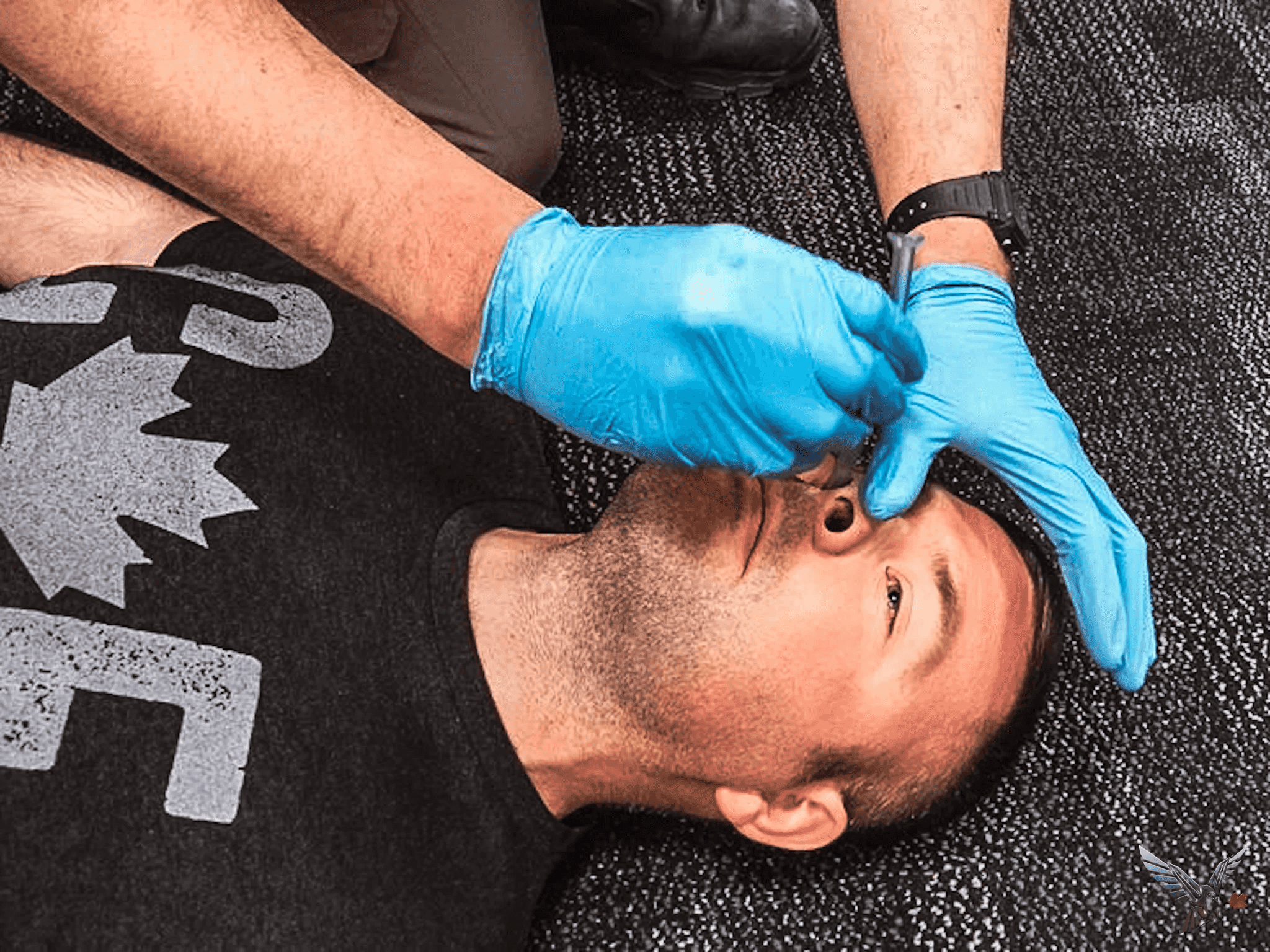
Recognize airway problems and keep the airway open with the head tilt and chin lift, the recovery position and nasopharyngeal airways.
Treat chest injuries with chest seals, take basic vital signs, and check for shock.
Levels of consciousness, moving a casualty, hypothermia, and injuries such as burns, amputations and head and spine trauma.
The one-day course you need before applying for a non-restricted firearms licence.
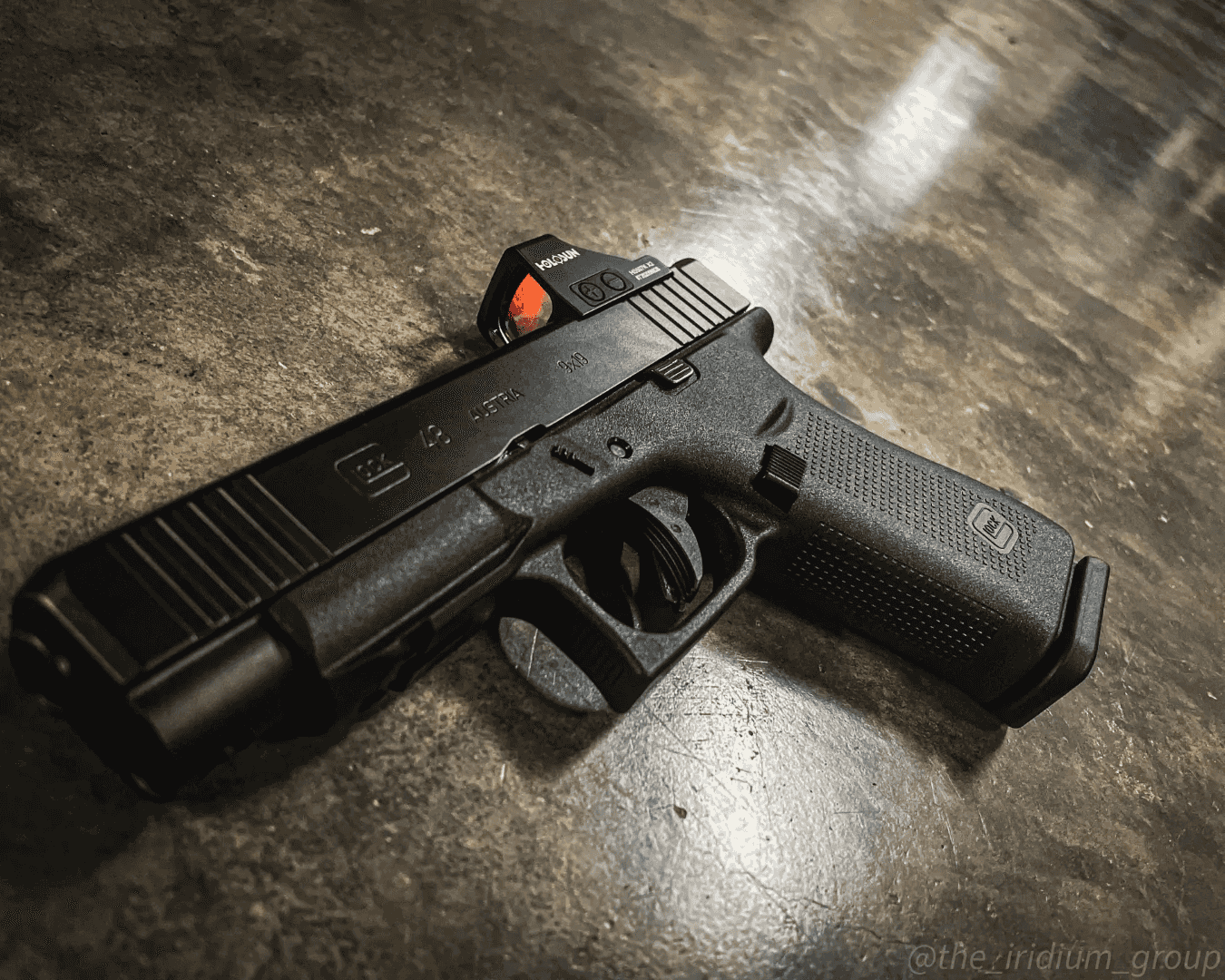
The half-day course for handguns and other restricted firearms, usually taken with the PAL course.
Tell us which dates suit you, or how many people you want trained and where. We’ll confirm a class and send you the location and details.